The Beast in Me | Mini-Series (63)
It’s dark out there. Quite dark!
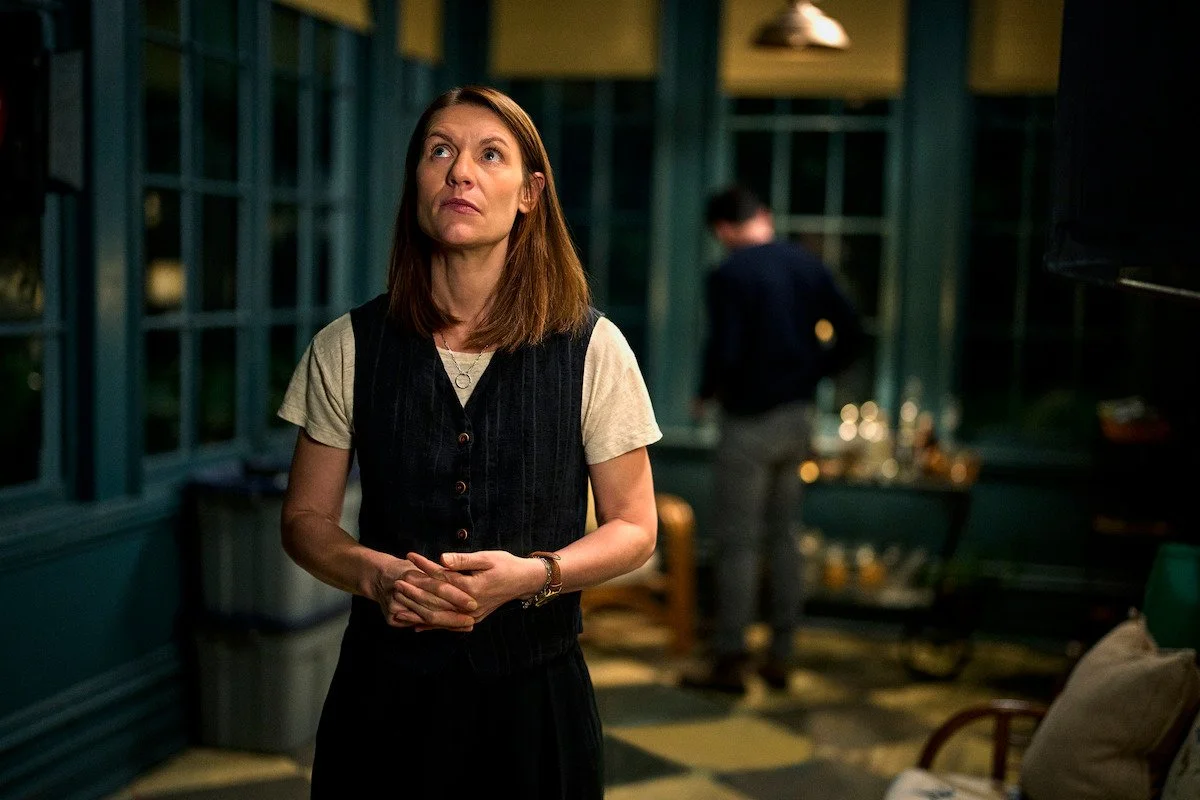
Recent attempts on capturing darkness in television are well documented, be it the cinematography seen in Game of Thrones, The Last of Us, and other shows aiming for the great but only succumbing to the quotidian. I am a firm believer that the last great attempt to capture the essence of darkness television seems so obsessed with can be located in the first season of TRUE DETECTIVE back in 2014. It wasn’t because of Adam Arkapaw’s impressive camerawork or Fukunaga’s direction. Not even because of the actors. Everything depended on the way the writing revealed that the progenitor of light is darkness itself.
We cannot of course leave out a more recent episode of television, the magic number 8 of TWIN PEAKS: THE RETURN, where we literally see Laura Palmer being born out, a guiding light, out of the necessity to fight back to the evil forces at play, but hey, not everyone is David Lynch, or better put, no one is like Lynch so the comparison fades here.
In THE BEAST IN ME we are confronted with a fairly typical scenario of a woman dealing with immense grief, the ways life and creativity converge and how psychopathic tendencies can be seen as motivational and triggering in cases of creative draught. The antagonist, played by the great Matthew Rhys, presents themselves with the causual notoriety that is foreshadowed by intense gros-plan and tedious, caricature-like writing. Not to say that this doesn’t work, especially in that atmospheric and actually… scary first episode (Antonio Campos, underrated forever) but it’s one thing being entertained by a typical post-2010s text of that kind and another to hail it as a great modern crime drama.

The narrative follows easy loopholes between characterisation and narrative forwardness. People fucking each other and later on conveniently having their fates meet, random timings that editing couldn’t save. At points, we see story choices made by the writers that feel either too convenient or just improbable at best, however and insofar it serves the bigger picture here, it never left me bored or non-engaged with the stakes at hand. What’s particularly interesting, even more than the cat-and-mouse game between the main characters is the clash of egos at play; on the one hand we have a wounded soul whose strong ego doesn’t let her distance herself from danger, on the other a psychopathic capitalist who’s deranged enough to keep us glued, at least for the first half of the show.
What’s not on THE BEAST’s favor is the way both characters weren’t either interestingly or deeply conceived by the writers, as their final intentions, decisions and motivations fall flat. One thing is having great atmosphere and performers, another thing is to tide this up under Netflix’s standardization process. 50+ minute episodes that many times feel too long and you wish you can fast-forward to reach the next one, until you’re left with none.
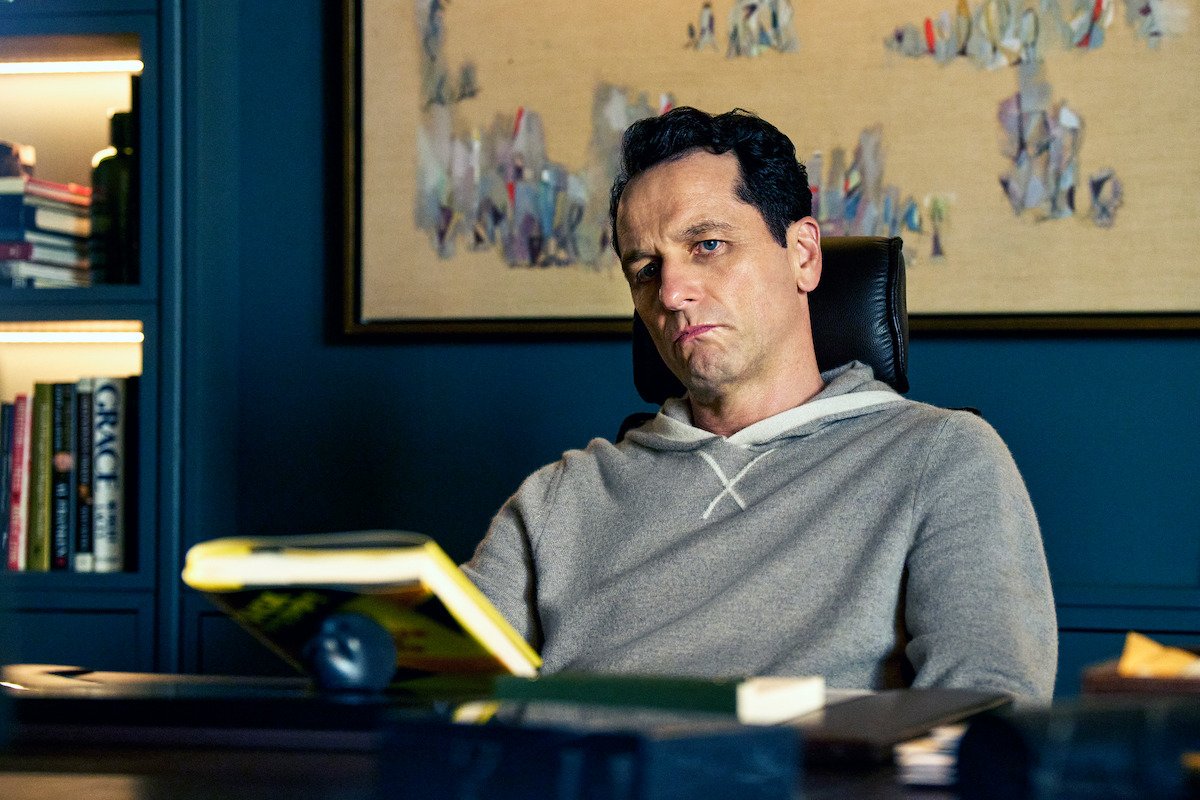
I firmly stand on my opinion that Danes’ character is written as a hero and that in itself is a plus for me, as we’re now ready to detour from the Age of the Antihero. In fact, that age is well gone even if writer rooms feel obliged to make us sympathise our own worst enemy. The ambiguity at play here isn’t deep or thouroughly examined which in itself made justice to the material and benefited the show from boredom.
The back-and-forth of the actors alongside the notion of catharsis and divine judgement, without any postmodern sense of irony or didacticism is the high point of this show which despite its basic flows, manages to stand out from the long and deep library of Prestige TV wannabe attempts. Not everyone is capable - at any time - of heinous acts, however we are all damaged and that’s fine. Well done to this show for highlighting this optimistic, albeit cynical truth.