Devil in Disguise: John Wayne Gacy | Mini-Series (68)
“The closest and most precious people in your life are guaranteed to make you feel the entire spectrum of human emotions.”
— John Wayne Gacy
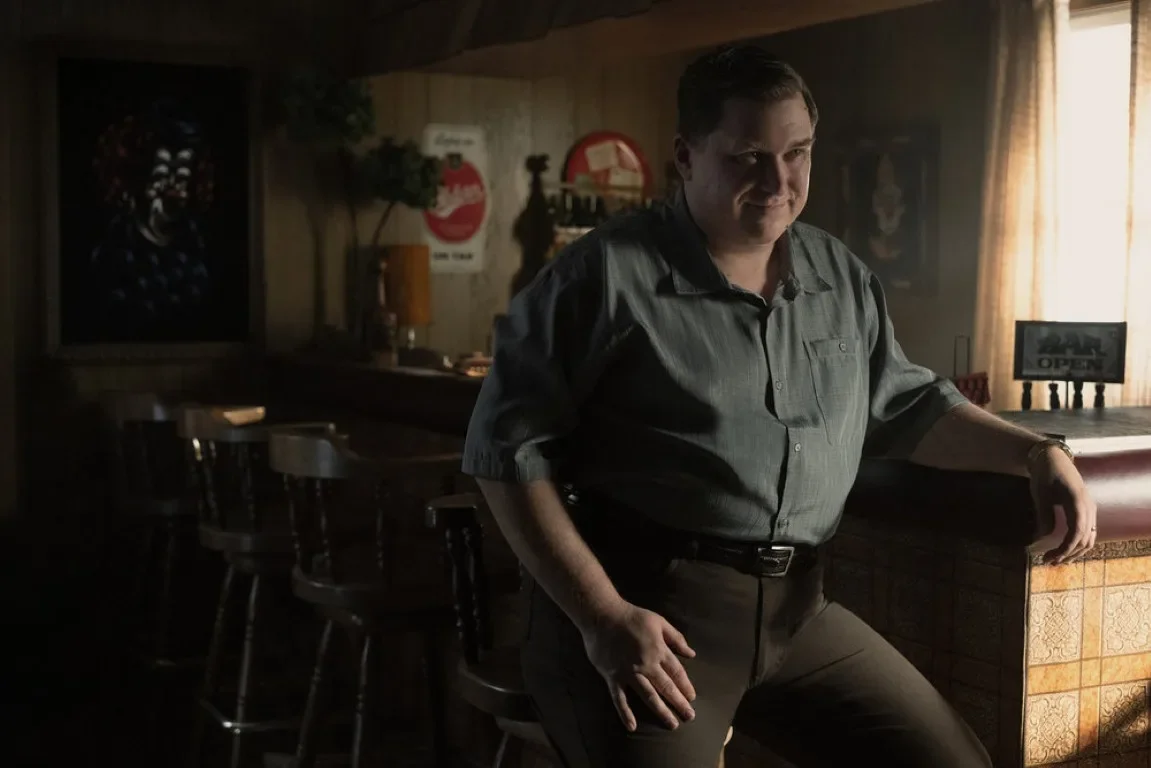
DEVIL was produced and created by Patrick Macmanus, a writer know for his affinity to the true crime genre, or better put, his faith in stories that highlight a tender balance between the perpetrator and their victims.
In the case of THE GIRL FROM PLAINVILLE, Macmanus never detaches from the conviction that the story at hand is an indicator of a wider crisis of our youth. By the end of the 8-episode production of DEVIL, it’s clear that his real interest lies on the exploitation of the youth by forces that are defined by the specific era these events took place. Because youth doesn’t only reflect on the ephemerality of the present, but mainly predicates the inevitability of what’s lying ahead of us.
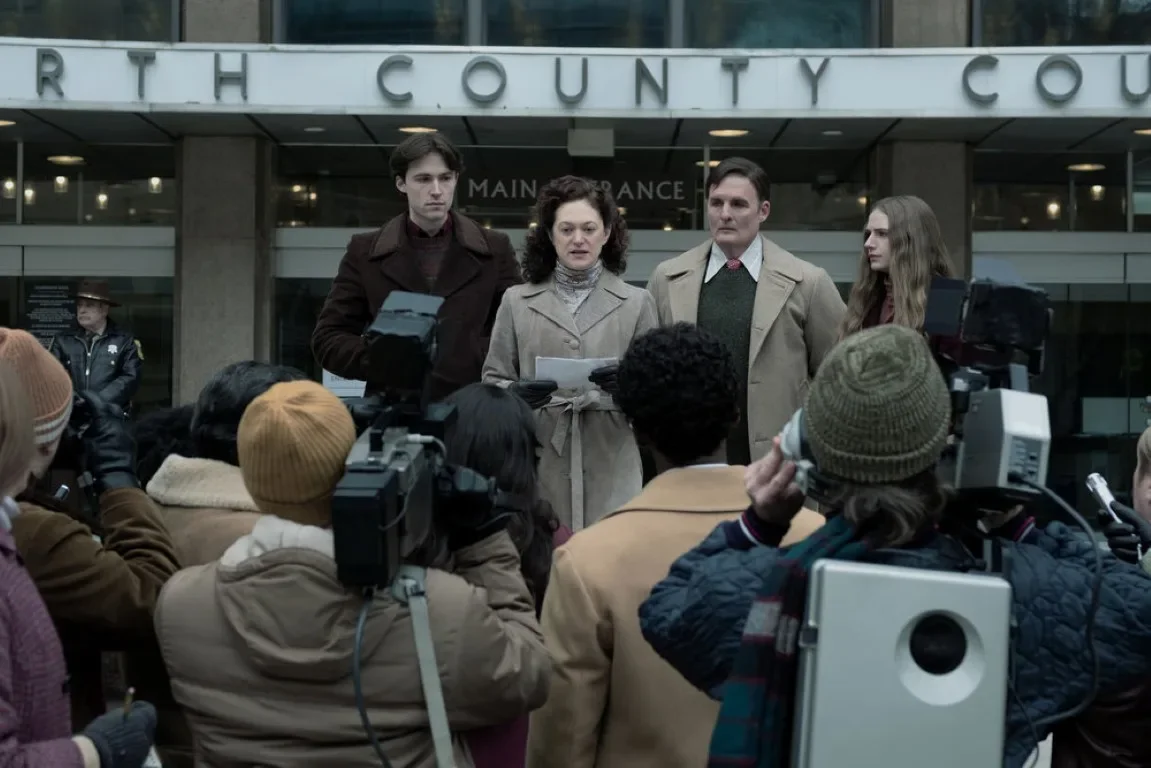
With the gradual, yet undeniable decline of the Quality Drama era, proses like the one here shouldn’t feel any shame in knowing the restrictions of streaming television. Is streaming the new broadcasting TV? We still manage to get some great writing and courage in television dramaturgy from places like HBO, but it’s unfortunately true that the content has devoured quality. Pieces like DEVIL feel like they wouldn’t need too much of a hustle to find a home in the current streaming environment, however the choice of Peacock does offer an anti-streaming sensibility: an avoidance of sensationalism approaching the much-talked subject matter certainly feels invigorating in an arena of the Murphys around us picking up a serial killer at a time. This is a fairly well known subject, already approached by different angles: the violent one, the cinematic one (Fincher), the clownish one, the victim-centered one.
What DEVIL manages to offer as a unique proposition is the Youth Angle and the focus on systemic failures towards not only the passive consumer (viewer of the era, viewer of the present) but Youth itself. It is to my great pleasure to report that DEVIL is possibly the only piece of television content I can remember that consciously focuses on the systemic prejudices against the Youth. Delinquents, problematic, rebelious are some of the adjectives used by the policemen trying to put off responsibility from their shoulders. Their lives were not valued enough in a society where urban decay, mistrust, and entrenched societal prejudices were looming over. Consequently, this societal discomfort was pushed towards the move vulnerable: young people with ambitions and dreams.
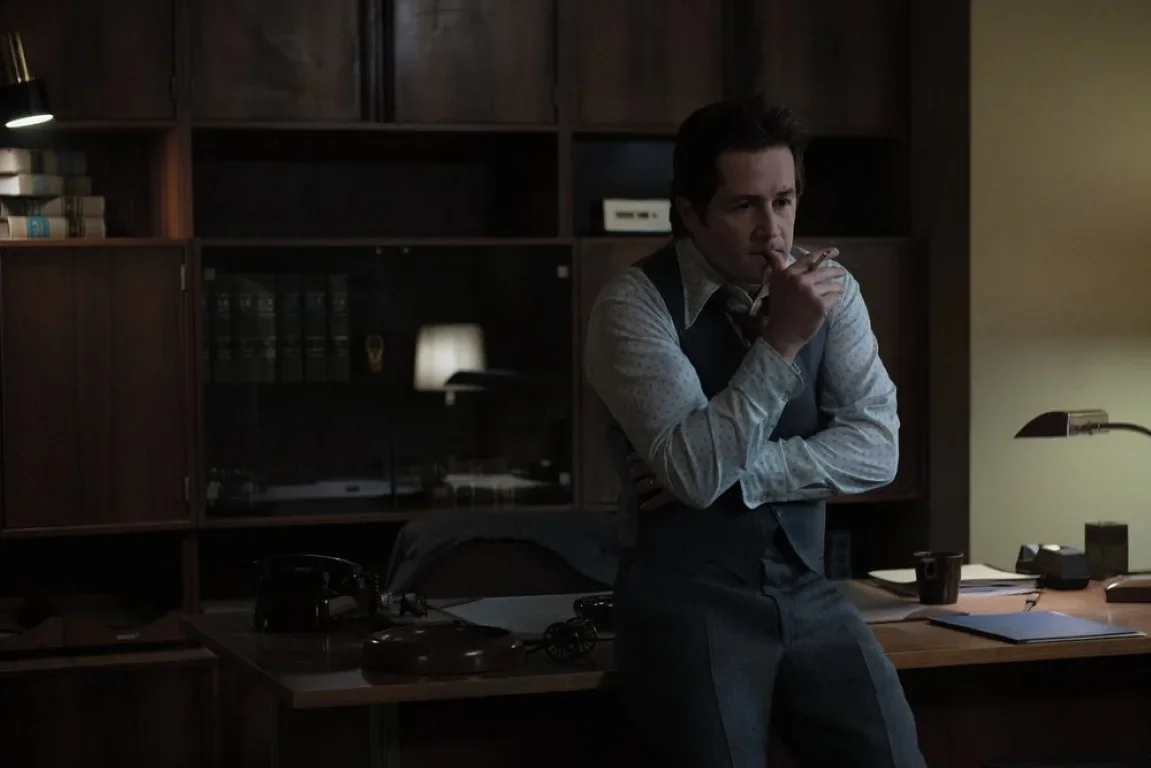
Michael Chernus, in the best role of his interesting career, gives us a chilling turn as the titular character and fully serves the material he’s given. He’s surrounded by a group of seasoned character actors who all give their A’ game. It’s a pity that the serialised form of the narrative can’t escape usual traps, however I could argue that the fact the production managed to keep the level of dialogue and repetition at such a high mark is a compliment in itself.
DEVIL is most unsettling not because it shows evil as extraordinary, but because it shows how easily ordinary prejudice and institutional indifference can make space for it. In the end, the series is less about one killer than about the young lives a society decided were too easy to overlook.