Hokum (77)
The long-awaited return of Damien Mc Carthy after the earth-shattering (at least for the miniscule niche folk-horror independence audience) ODDITY proposed a detour to the synthesis of vibe <-> aesthetic with a uniquely unhinged thesis on Nemesis, psychosis and violence.
He now takes a leap and I'm happy to report that not only does it work, but he ultimately manages to maintain his sensibilities (and dignity!) intact.
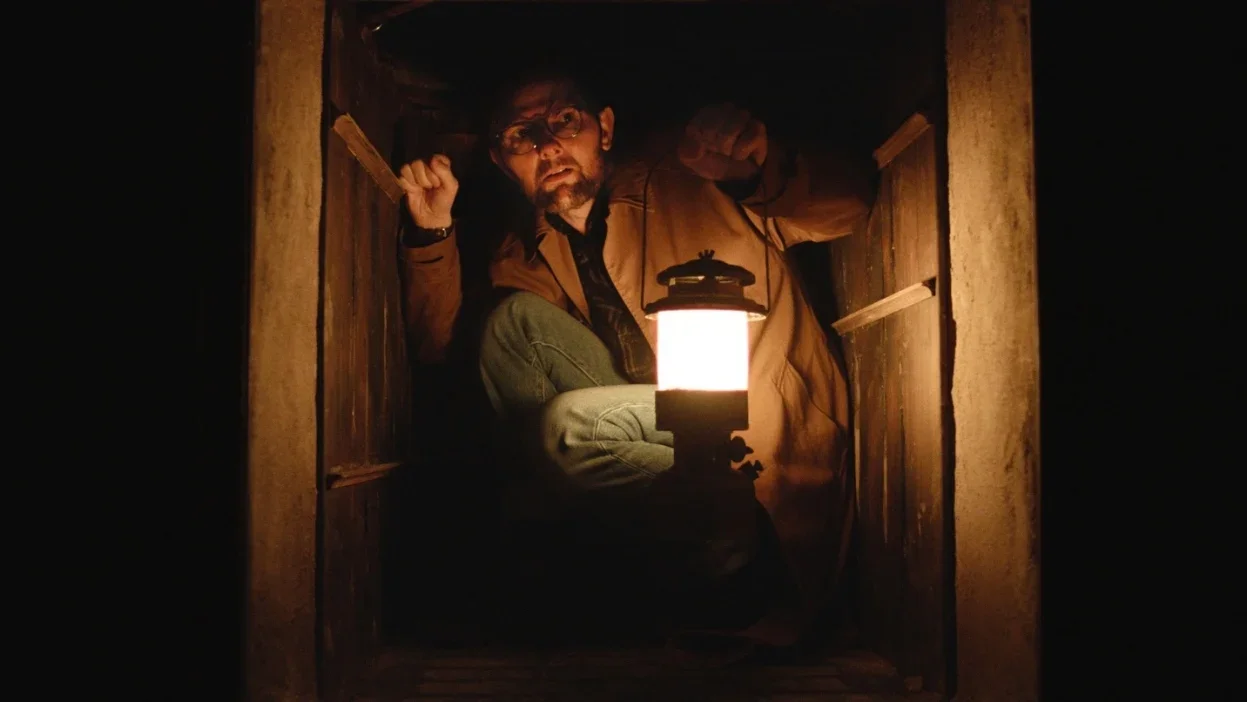
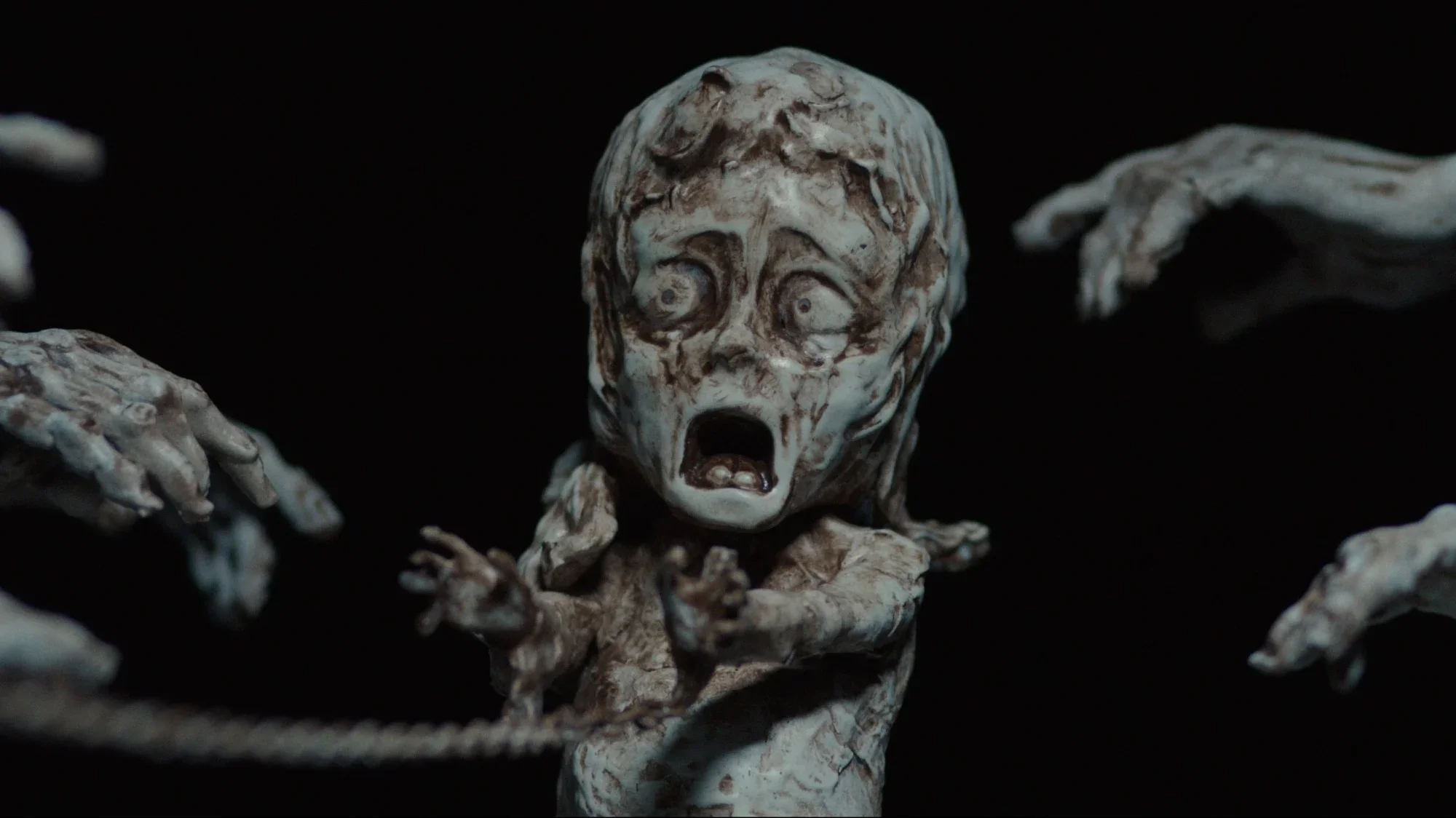
But what about the plot? It goes like that: when grieving novelist Owen Bauman retreats to a fog-shrouded Irish coastal inn to scatter his parents' ashes, he uncovers whispers of a cursed heirloom haunting the premises. As wind-lashed doors swing in eerie rhythm and porcelain objects fix him with mute stares, parallel glimpses of fractured family lives pull him into liminal dread. A shocking vanishing forces confrontation with interrupted geometries of his past—blazing light, hesitant hands, corridors folding inward.
Where CAVEAT and ODDITY introduces a horror voice that can be characterised as primordial, folk and liminal, taking full advantage of every corner within their tight 6-figure budget, here we see Mc Carthy bringing justice to our demand of the mid-range-budget-studio return; with a tight 25 million budget, 34-day on-location shooting, HOKUM opens up the scope, introduces the auteur's openess to conventional narrative tools, uses a trope that many predecessors already perfected and still manages to deliver a unique result that feels like a faithful and truthful progression of where we were left in ODDITY.
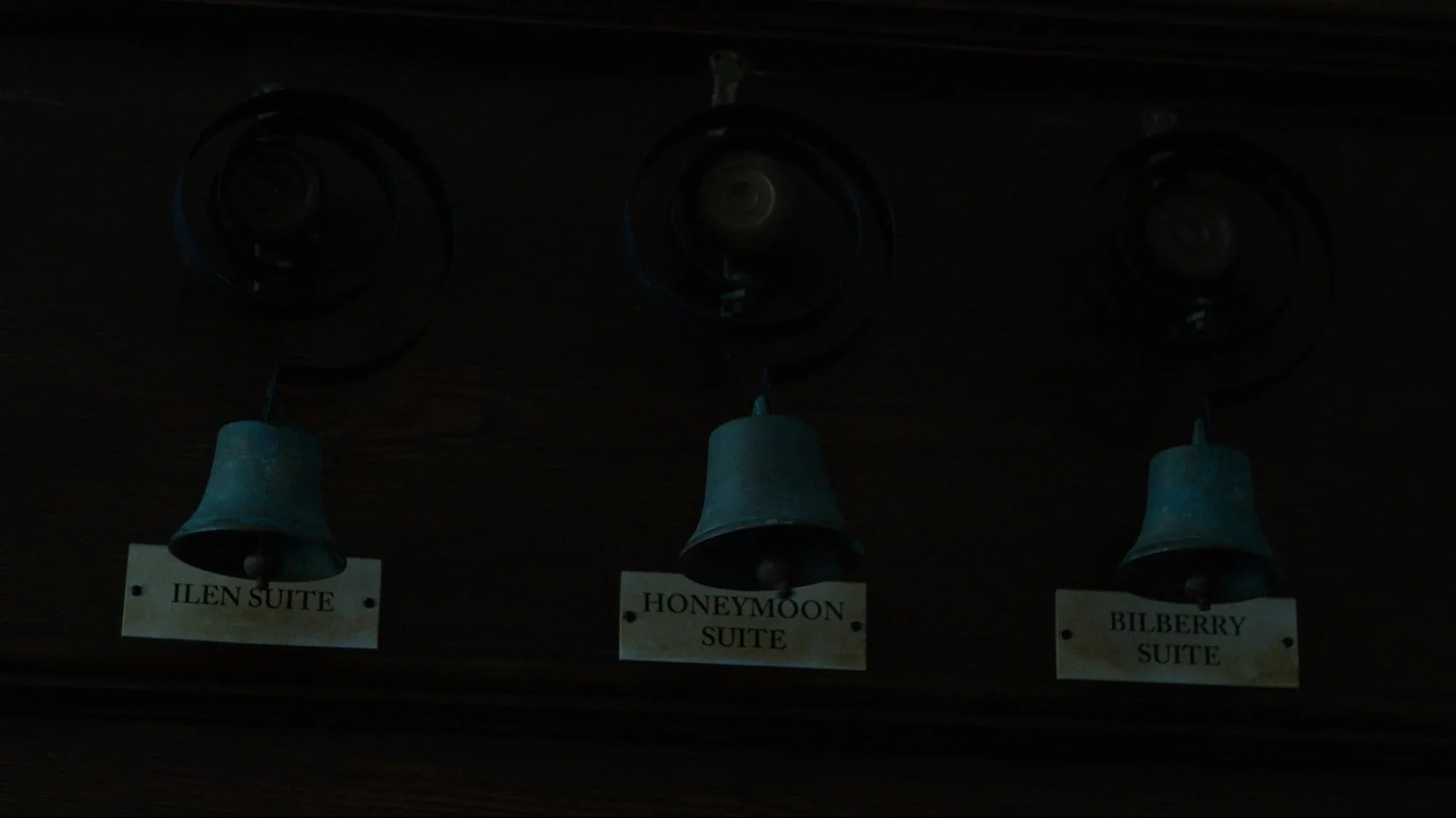
The usage of parallel editing in conjunction with the tight gros plan to inanimate objects remains a strength no other horror director today can deliver, possibly perfecting Eugenia Brinkema's theory of the Forms of the Affects; how might anxiety be a matter of an interrupted horizontal line, or grief a figure of blazing light? Offering a bold proposition to the emphasis on embodiment and experience, HOKUM conveys a tantalizing thesis: deep attention to form, structure, and aesthetics enables a fundamental rethinking of the study of sensation.
We expect Mc Carthy to move on to even bigger things in the near future, possibly able to attract bigger talent and vastier investments. As long as he’s able to keep on advancing his ideas in a genuine way, we’re all here to closely follow.
No other horror film thus far in 2026 managed to reach this apex, however we do have a lot to wait for.